
Protecting Mountain Trees from Heavy Snow Damage
Waking up to a brilliant bluebird day after a fresh, heavy snowfall is one of the greatest joys of living in Colorado. The landscape is instantly transformed into a quiet, sparkling winter wonderland. However, while those snow-capped branches look picture-perfect, the sheer weight of wet, heavy snow can pose a serious threat to the health and structural integrity of the trees on your property.
Here in the High Country, our native evergreens and deciduous trees are generally hardy, but extreme winter storms can push them to their breaking point. Unmanaged snow loads can cause branches to snap, bark to tear, and even lead to complete uprooting if the ground is saturated. For homeowners in the Evergreen area, dealing with these unexpected hazards can be stressful and dangerous.
Taking a proactive approach to winter tree care not only protects your property and enhances its curb appeal but also preserves the health of your landscape for years to come. In this guide, we will walk you through how to prevent snow damage on trees, the importance of professional assessments, and what to do if a winter storm leaves your yard in disarray.
How Heavy Snow Impacts Your Landscape
Not all snow is created equal. While light, powdery snow often blows right through the canopy, the wet, dense snow we often see during early winter or late spring storms is incredibly heavy. When this sticky snow accumulates, it acts like an anchor on branches.
Protecting evergreen trees from heavy snow load is particularly important because they retain their needles year-round, giving the snow a larger surface area to cling to. Over time, the weight can cause the branches to bend beyond their natural flexibility. If the temperature suddenly drops and the snow freezes into ice, the added rigidity makes the branches brittle and highly susceptible to snapping under stress.
When a branch breaks, it doesn't just damage the aesthetics of the tree. A jagged, torn branch leaves an open wound that makes the tree vulnerable to pests, diseases, and rot once the weather warms up. Proper preventative care is the best way to ensure your trees remain structurally sound and healthy.
Proactive Prevention: The Key to Winter Tree Health
The most effective way to manage winter storm risks is to prepare your landscape before the worst weather hits. Waiting until a branch is already bowing precariously over your driveway or roof is often too late.
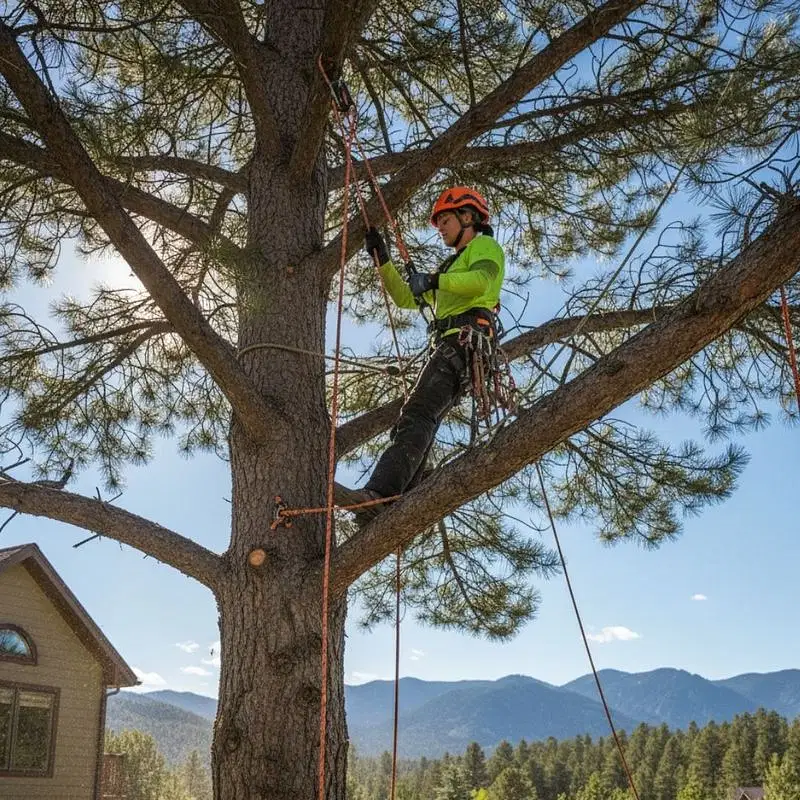
One of the best preventative measures is professional tree trimming. By removing dead, diseased, or structurally weak branches in the late fall or early winter, you eliminate the very limbs that are most likely to fail under a heavy snow load. Thinning the canopy also allows wind and snow to pass through more easily, reducing the overall weight and wind resistance the tree has to bear.
Additionally, having an expert conduct an arborist winter storm damage assessment can save you significant time and money. A trained professional can identify hidden structural flaws, such as V-shaped crotches or interior decay, that aren't obvious to the untrained eye. Addressing these vulnerabilities early ensures your trees can withstand the harsh realities of a Front Range winter, keeping your property safe and maintaining your landscape's value.
Responding to Winter Storm Damage
Even with the best preparation, Mother Nature can still deliver unpredictable blows. If a severe storm rolls through and you wake up to cracked limbs or downed trees, it is crucial to handle the situation carefully.
First and foremost, prioritize safety. Never attempt to remove large, heavy, or tension-loaded branches yourself, especially if they are tangled in power lines or resting on a structure. The unpredictable release of a bent branch can cause severe injury. Furthermore, DIY pruning cuts often leave jagged edges that hinder the tree's ability to heal properly.
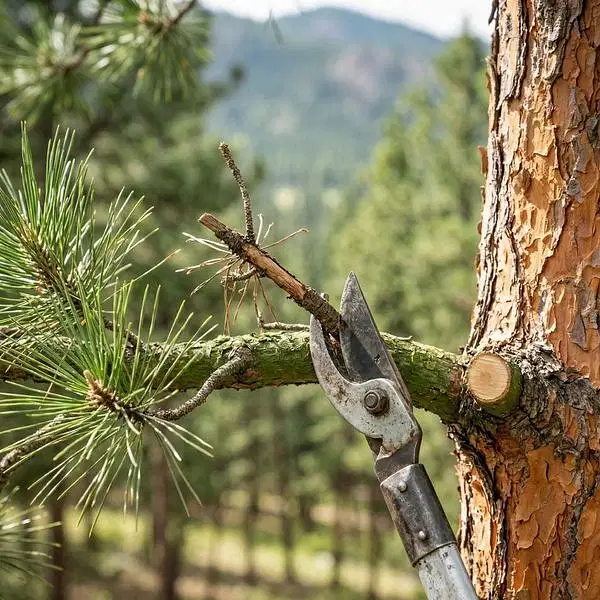
Instead, rely on professional storm damage repair. Our team is equipped to safely remove hazardous debris, make clean pruning cuts that promote rapid healing, and evaluate the remaining structure of the tree to ensure it is stable. Getting this cleaned up quickly is vital—you want your yard cleared and safe long before mud season arrives and makes heavy equipment access difficult.
Keep Your Trees Healthy All Winter Long
Navigating the extremes of winter weather doesn't have to be a source of stress for homeowners. By staying ahead of the storms with regular maintenance and leaning on expert advice, you can protect your property's natural beauty and ensure your landscape thrives year after year.
At Tarzan Tree Care LLC, we pride ourselves on delivering reliable, transparent, and top-quality service to our local community. Whether you need a preventative canopy thinning, a thorough structural assessment, or emergency cleanup after a heavy snowfall, our licensed and insured team is ready to help.
Don't let the next big storm catch you off guard. Contact us today to schedule your winter tree care services and rest easy knowing your Evergreen landscape is in expert hands.